
Article Writing
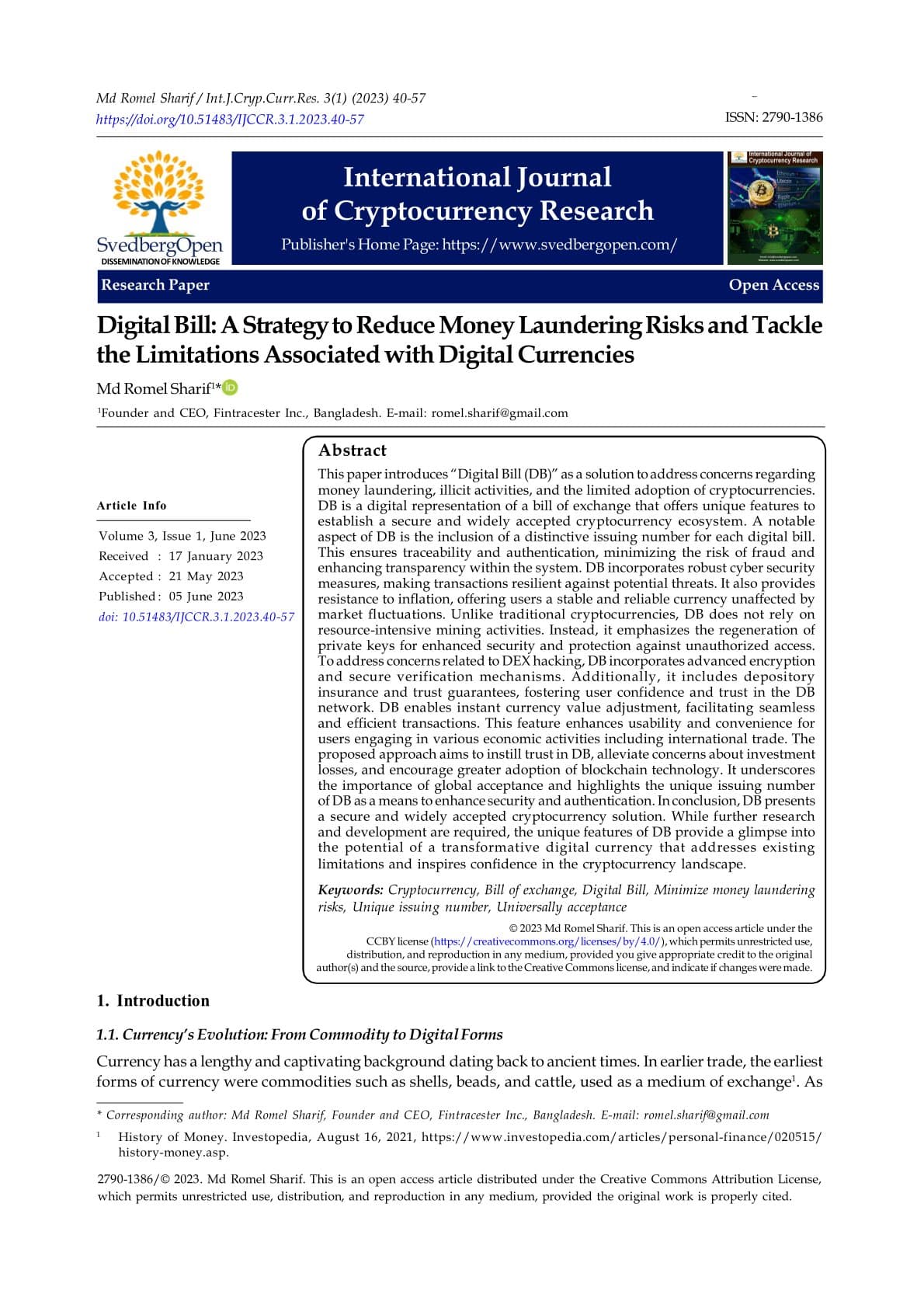
Research Paper: " Digital Bill: A Strategy to Reduce Money Laundering Risks and Tackle the Limitations Associated with Digital Currencies"
Client: International Journal of Cryptocurrency Research ( SvedbergOpen, South Africa )
The Challenge
"Digital Bill: A Strategy to Reduce Money Laundering Risks and Tackle the Limitations Associated with Digital Currencies," the main challenges in writing it were likely threefold: first, the need to comprehensively and convincingly define the novel Digital Bill (DB) concept, clearly differentiating its traceability features (like the unique issuing number) from both traditional cryptocurrencies and central bank digital currencies; second, thoroughly integrating and addressing the complex, evolving global standards for Anti-Money Laundering (AML) and Know-Your-Customer (KYC) compliance within the technical architecture of a new digital currency; and third, balancing the detailed explanation of the DB network's robust cybersecurity measures with the broader, strategic arguments for why this compliant design is the key to achieving mass adoption and overcoming current limitations in the digital currency space.
Our Solution
To overcome these challenges, a structured and analytical approach was applied. First, an interdisciplinary research framework was developed—drawing insights from blockchain technology, financial systems, economics, and computer science—to ensure conceptual accuracy. Second, complex terminologies were simplified through layered explanations, making the content accessible to both technical and non-technical readers. Third, logical flow and coherence were maintained by linking theoretical foundations with practical applications such as voting, taxation, and trade. Finally, the writing process incorporated multiple revisions and literature validations to achieve academic integrity, balanced tone, and conceptual precision throughout the article.
About the Project
The Digital Bill (DB) project introduces a novel, compliant digital currency architecture designed to solve the twin problems of money laundering risk and limited mass adoption currently facing the cryptocurrency market. By integrating a unique, traceable 'issuing number' into each digital bill, the DB establishes unprecedented transparency and enforces strict AML/KYC standards, effectively addressing regulatory concerns. This approach balances advanced cybersecurity with mandatory compliance, positioning the DB network as a secure, regulated, and reliable medium of exchange ready for widespread global acceptance.
Project Owner

Romel writes like real people think and feel. His words don’t chase trends; they build connection. He listens first, then writes with intent, cutting through the noise with clarity and purpose. Whether he’s shaping a brand voice, writing for a website, or telling a story that feels alive, he ensures every line sounds human. His style is honest, conversational, and quietly confident; it earns attention without trying too hard. Writing began as a hobby, but it grew into something much larger. Today, Romel is an award-winning writer recognized by ACAMS Today. He is known for blending creative storytelling with real-world insight. He serves as a certified peer reviewer for Elsevier and contributes as a reviewer for multiple international academic journals. His research and thought leadership extend far beyond creative writing. The Banque de France and Harvard University’s CrimProf Blog have featured his work. His published articles appear on ResearchGate, Academia.edu, SSRN, Google Scholar, and Semantic Scholar; these are platforms trusted by scholars worldwide. In 2023, Romel was invited to speak at the STAR Scholars Network Conference hosted by the University of Vigo, Spain. There, he shared views on research integrity and global collaboration. With deep roots in long time writing skills, he brings analytical precision into his storytelling. He crafts writing that connects intellect with emotion and creativity with purpose.
Our Process
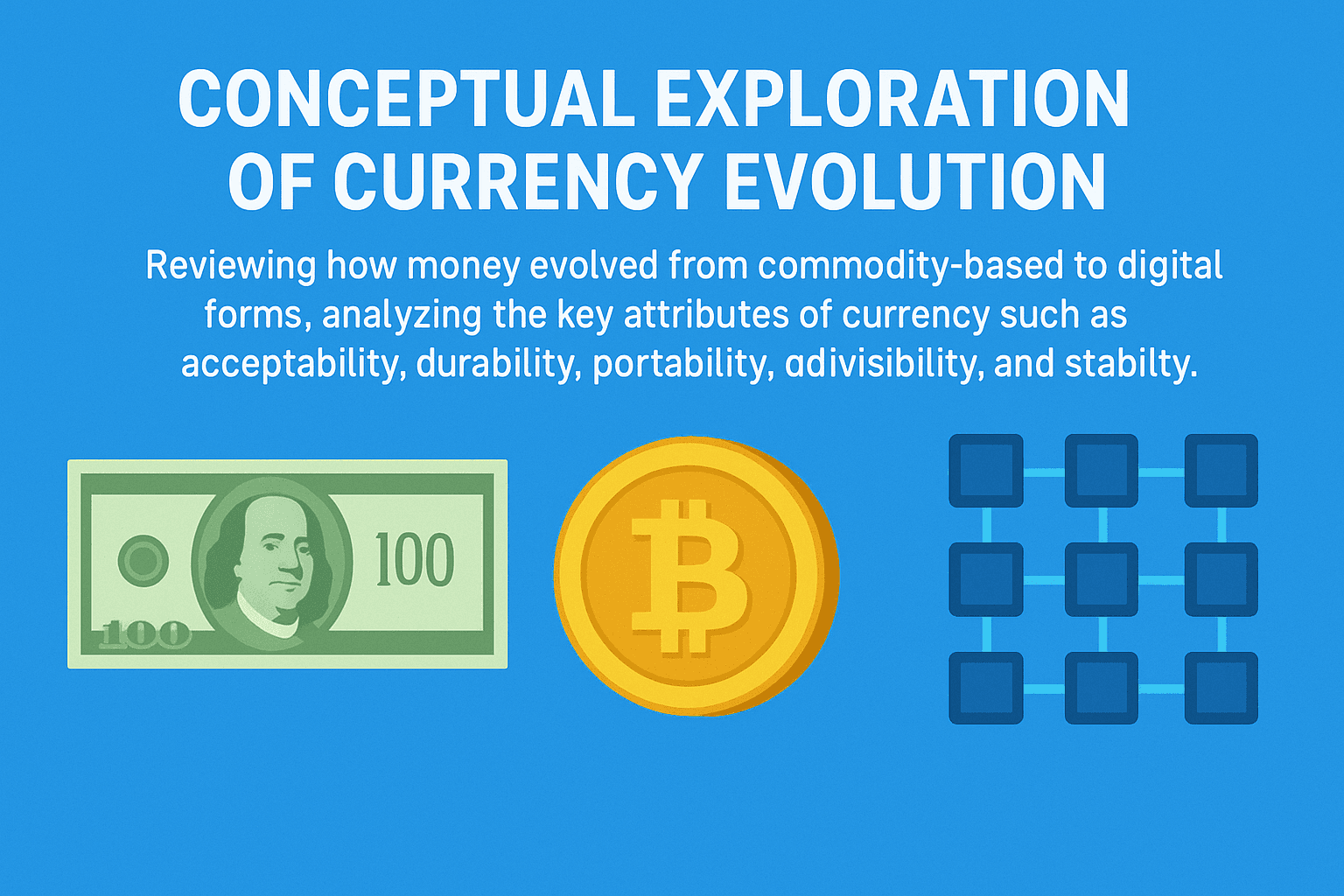
Conceptual Exploration of Currency Evolution
The author begins by reviewing how money evolved from commodity-based to digital forms, analyzing the key attributes of currency such as acceptability, durability, portability, divisibility, and stability. This builds the foundation for understanding digital transformation in monetary systems.
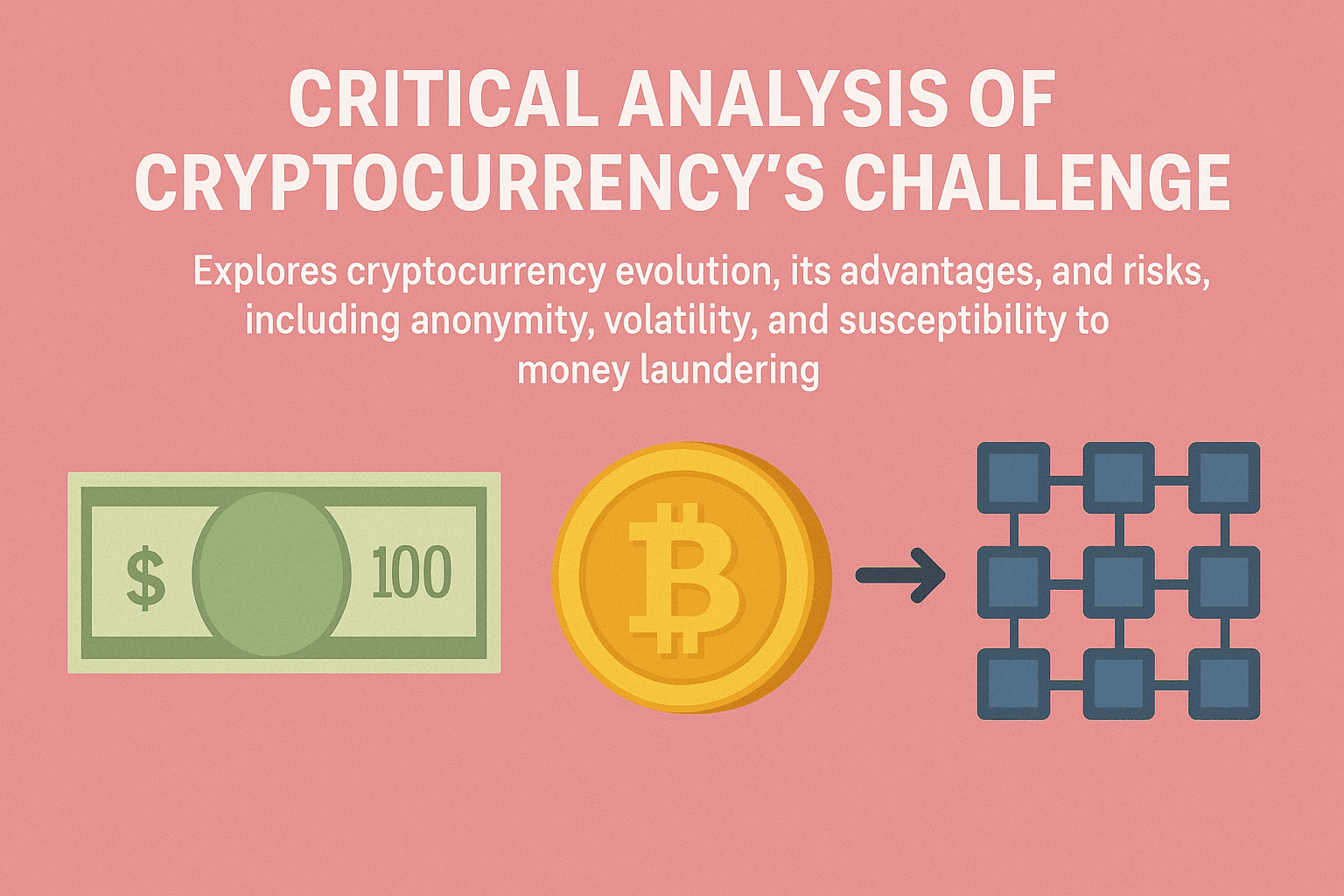
Critical Analysis of Cryptocurrency’s Challenges
This step explores cryptocurrency evolution, its advantages, and risks, including anonymity, volatility, and susceptibility to money laundering. It compares fiat and cryptocurrencies and highlights regulatory limitations faced worldwide.
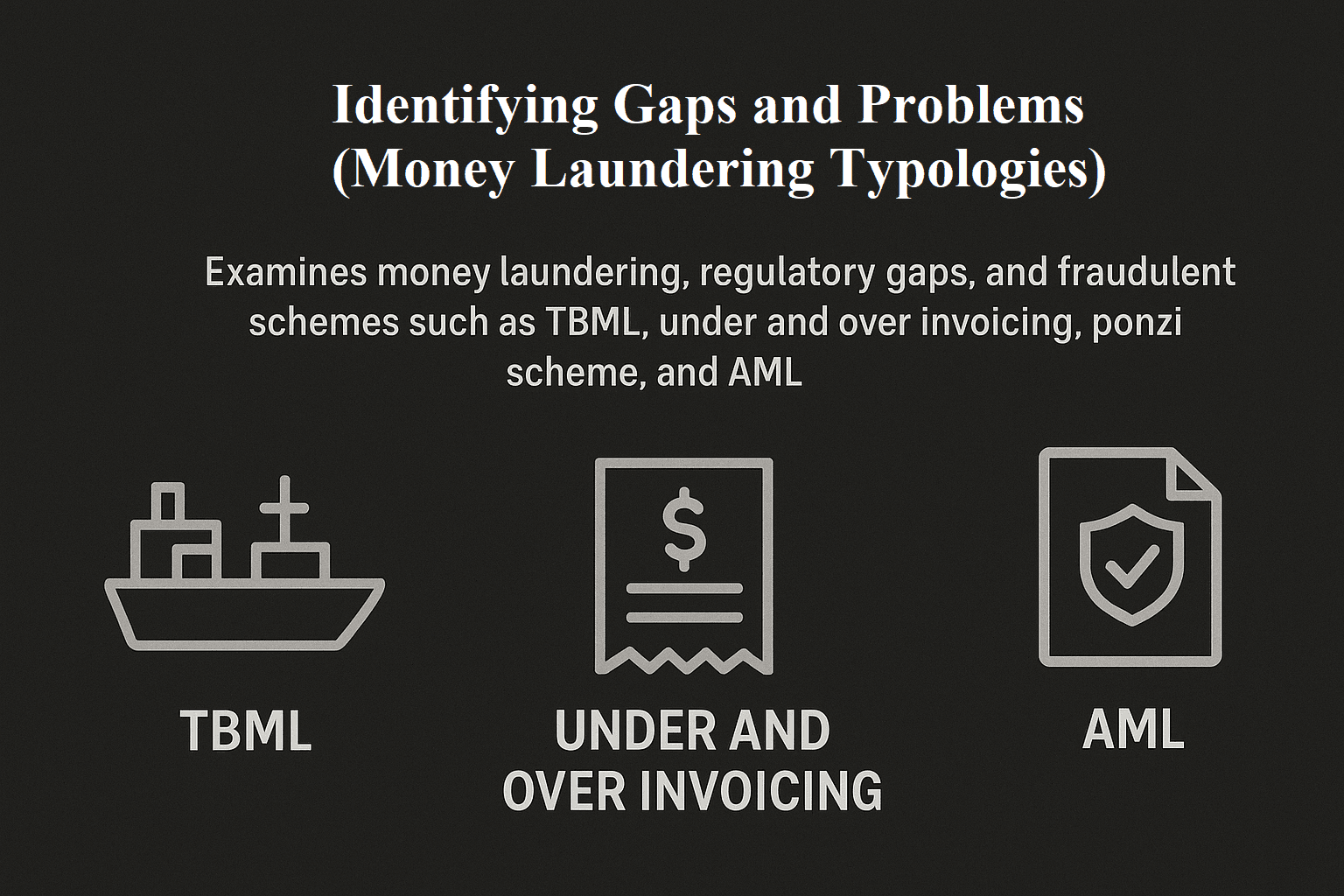
Identifying Gaps and Problems (Money Laundering Typologies)
Here, Sharif examines typologies of Trade-Based Money Laundering (TBML), such as over/under-invoicing and Ponzi laundering schemes, demonstrating how crypto assets are exploited for illicit financial activities. This analytical step justifies the need for a new solution.
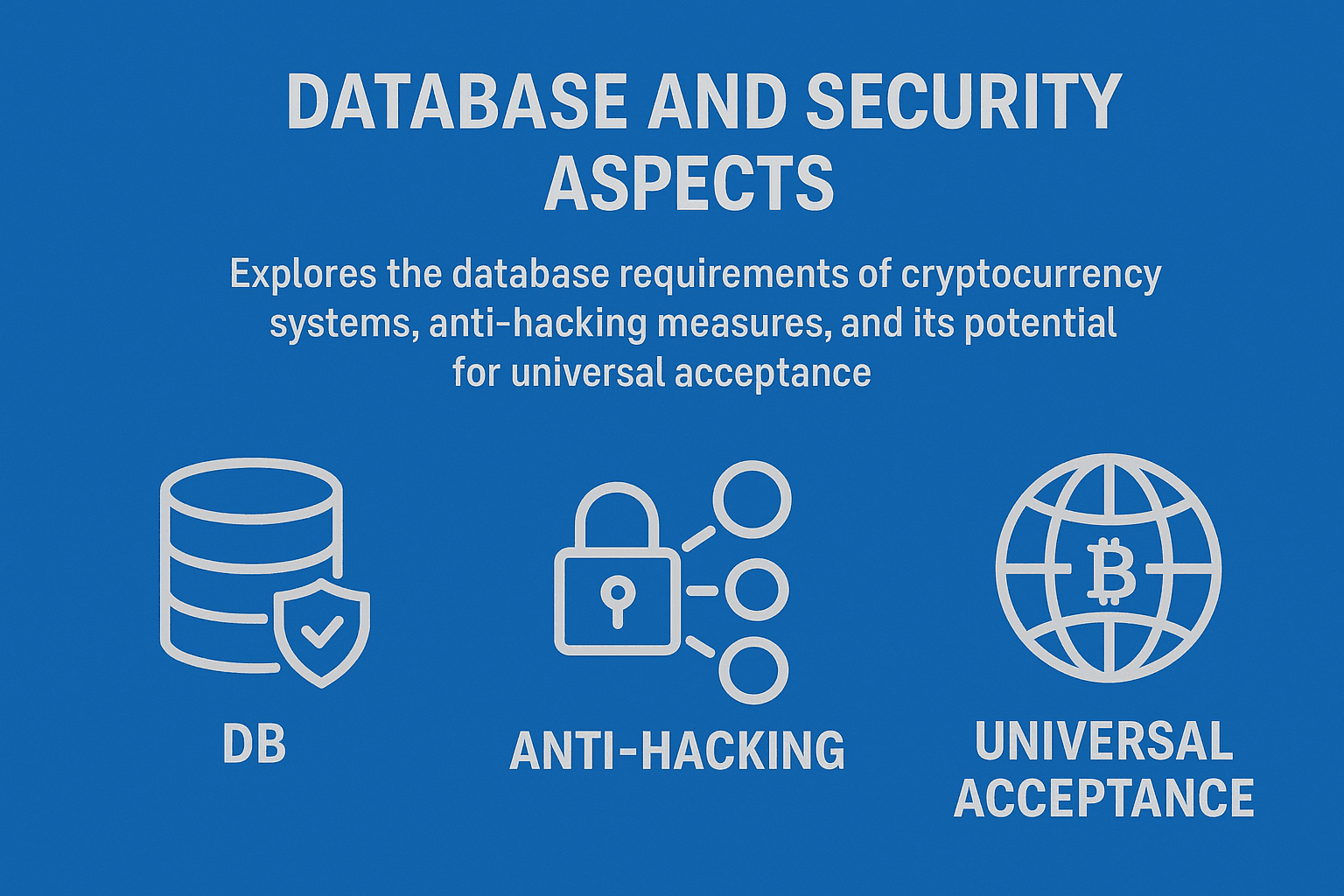
Conceptual Framework Development (Digital Bill Model)
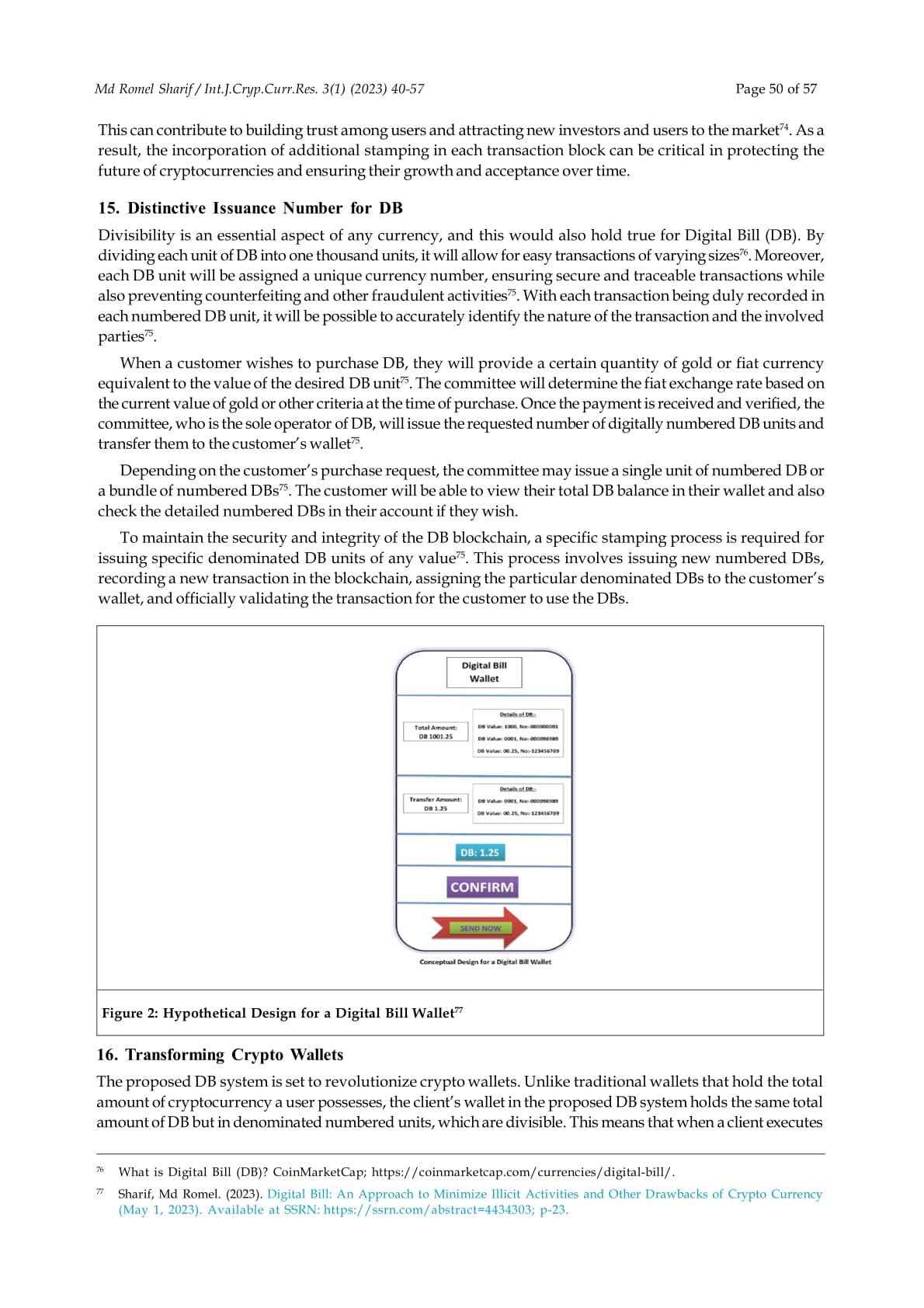
In this step, the Digital Bill (DB) is introduced as a new blockchain-based model that merges the trustworthiness of banknotes with the security of cryptocurrency. The framework proposes features like a unique issuing number, traceability, anti-hacking design, and universal acceptance.
Analytical and Technical Integration
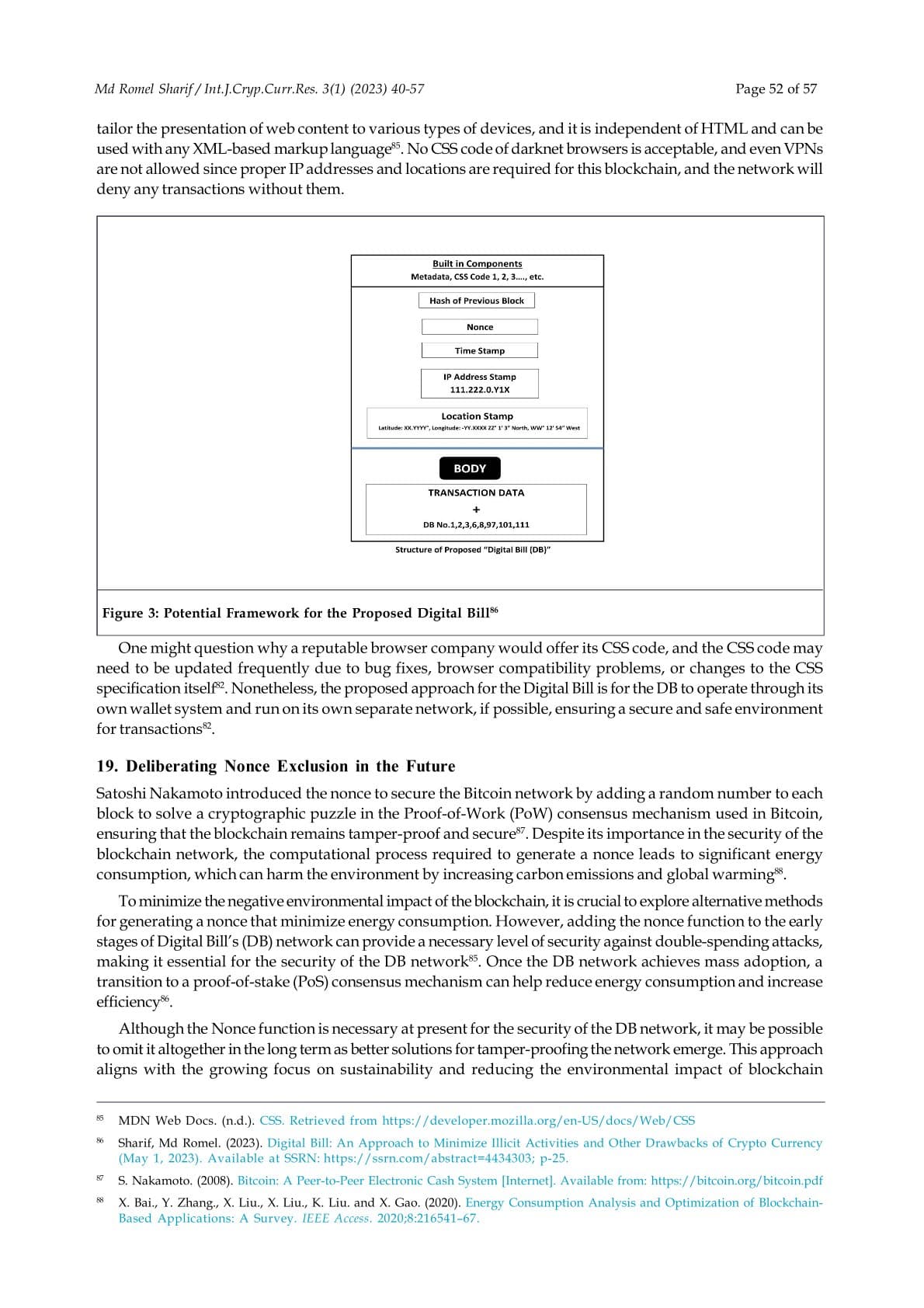
Sharif integrates technical mechanisms like smart contracts, IP/location verification, cold locker storage, and private key regeneration. The framework also proposes a blockchain bidding system and a volunteer committee to maintain integrity, making DB both secure and transparent.
Implementation and Future Sustainability
The final stage discusses practical implementation, including green digital bills (eco-friendly design), depository insurance, and DCFCL (Departmental Control and Functional Checklist) to ensure compliance and transparency. This ensures DB’s long-term sustainability and anti–money laundering effectiveness.
Key Results
100%
Achieved Global Recognition as an Independent Researcher.
100%
The editors have shown their trust.
100%
The editors now want a lot more articles.
"Editorial Team Member, Ms Sophia, told, " We thank you for considering our journal to publish your research work. We hope to receive the articles from you for our forthcoming issues.""
, International Journal of Cryptocurrency Research ( SvedbergOpen ).